The short version
Around Flint, MI, most ticks live at the yard edge — in leaf litter, brush, and tall grass — not in open lawn. For Flint homes, clear the habitat, add a wood-chip barrier, and do tick checks within a day of being outdoors.
- Around Flint, MI, most ticks live at the yard edge, not in open sunny lawn.
- For Flint homes, reduce habitat first — mow, rake leaf litter and add a wood-chip barrier.
- Around Flint, MI, do tick checks within a day of being outdoors — early removal prevents disease.
- For Flint homes, use EPA-registered repellents and vet-approved pet prevention.
- Around Flint, MI, treat edges in spring and fall if risk is high.
For anyone in Flint, MI finding ticks on people or pets, or living next to woods, brush, or tall grass. If someone around Flint, MI is ill after a tick bite, see a doctor first.
What to look for
Ticks don't jump or fly — around Flint, MI, they wait on grass and brush with their front legs out, ready to grab a passing person, pet, or deer. Nymphs around Flint, MI are as small as a poppy seed and easy to miss. The risk isn't the tick you see in Flint, MI; it's the one you don't.
- 1For Flint homes, MI, the clearest sign is ticks on pets after walks or time outdoors.
- 2Finding ticks on clothing or skin after yard work in Flint means they're established at the yard edge.
- 3A tick found indoors or on pet bedding in Flint, MI can mean brown dog ticks, which hide in cracks and crevices.
- 4Around Flint, deer, mice and other wildlife bring ticks into a yard; their trails are a signal.
- 5Tall grass, leaf litter, or brush at the edge of a Flint, MI yard is the habitat ticks wait in.
- 6For Flint homes, the classic tick hiding spots are stone walls, woodpiles and brush near play areas.
Why it’s worth acting soon
- Waiting in Flint, MI means another season of tick-borne illness risk for people and pets.
- Around Flint, MI, ticks can increase each year as wildlife and hosts keep moving through.
- Brown dog ticks found around Flint, MI can establish indoors, where they're hard to remove.
Treatment options and typical costs
Yard inspection and tick-zone mapping
$75–$200
A pro walks the Flint, MI property edges — where lawn meets woods, brush, and leaf litter — and maps the zones that actually hold ticks.
- Time
- 45–90 minutes
- Best for
- Every Flint, MI job; shows where ticks actually live.
Targeted edge treatment
$100–$350 per application
A residual acaricide applied along a narrow band at the Flint, MI yard edge, timed to the spring nymph and fall adult peaks.
- Time
- 30–60 minutes
- Best for
- Spring and fall peaks around Flint, MI.
Tick tubes and host management
$200–$1,500+
Rodent-targeted tubes and deer-deterrent changes that cut the hosts ticks feed on around Flint, MI.
- Time
- Half day to full day
- Best for
- Flint, MI yards bordering woods with deer and mouse traffic.
Habitat modification
$150–$450
Leaf-litter removal, mowing, and a wood-chip barrier between lawn and woods on a Flint, MI property — the highest-value step, and one you can do yourself.
- Time
- 2–4 hours, then ongoing
- Best for
- Every Flint, MI yard with woods or brush at the edge.
Prices are typical published ranges. Ask what’s included before you compare quotes.
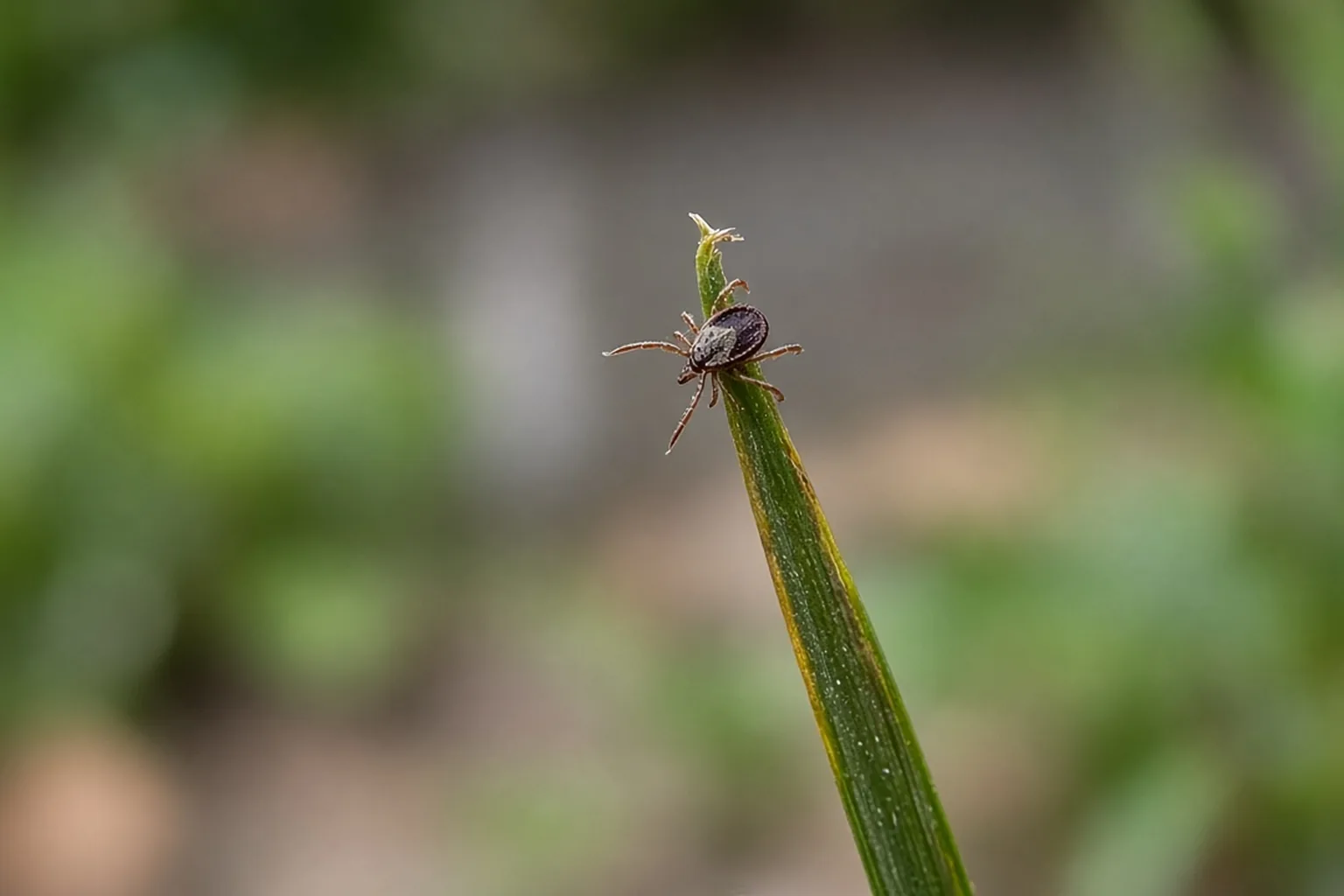 Young ticks are tiny. Shady, grassy edges are where they wait.
The ticks to know around Flint, MI.
Around Flint, MI, the ticks you're most likely to encounter are Blacklegged tick, American dog tick, and Lone star tick. Which one you find matters, because different species carry different diseases.
Local ticks conditions in Flint.
An inspection in Flint usually starts outside and works inward, checking the foundation, gaps around doors and windows, and any moisture or clutter near the structure first. Knowing Flint's seasonal timing lets you schedule treatment before the busy stretch rather than after it, which usually means faster service and a more accurate quote. A provider who works Flint and Michigan every day can point out the specific conditions that matter most here, and getting the scope, price, and follow-up terms in writing makes it easier to compare options. Flint sits in a humid continental climate, and that sets the pace for tick activity here: spring through fall, peaking late spring/early summer. For Flint homes, the area is mostly urban, so ticks pressure can differ from one block to the next depending on how tight the entry points are and how much food, water, or shelter is close by.
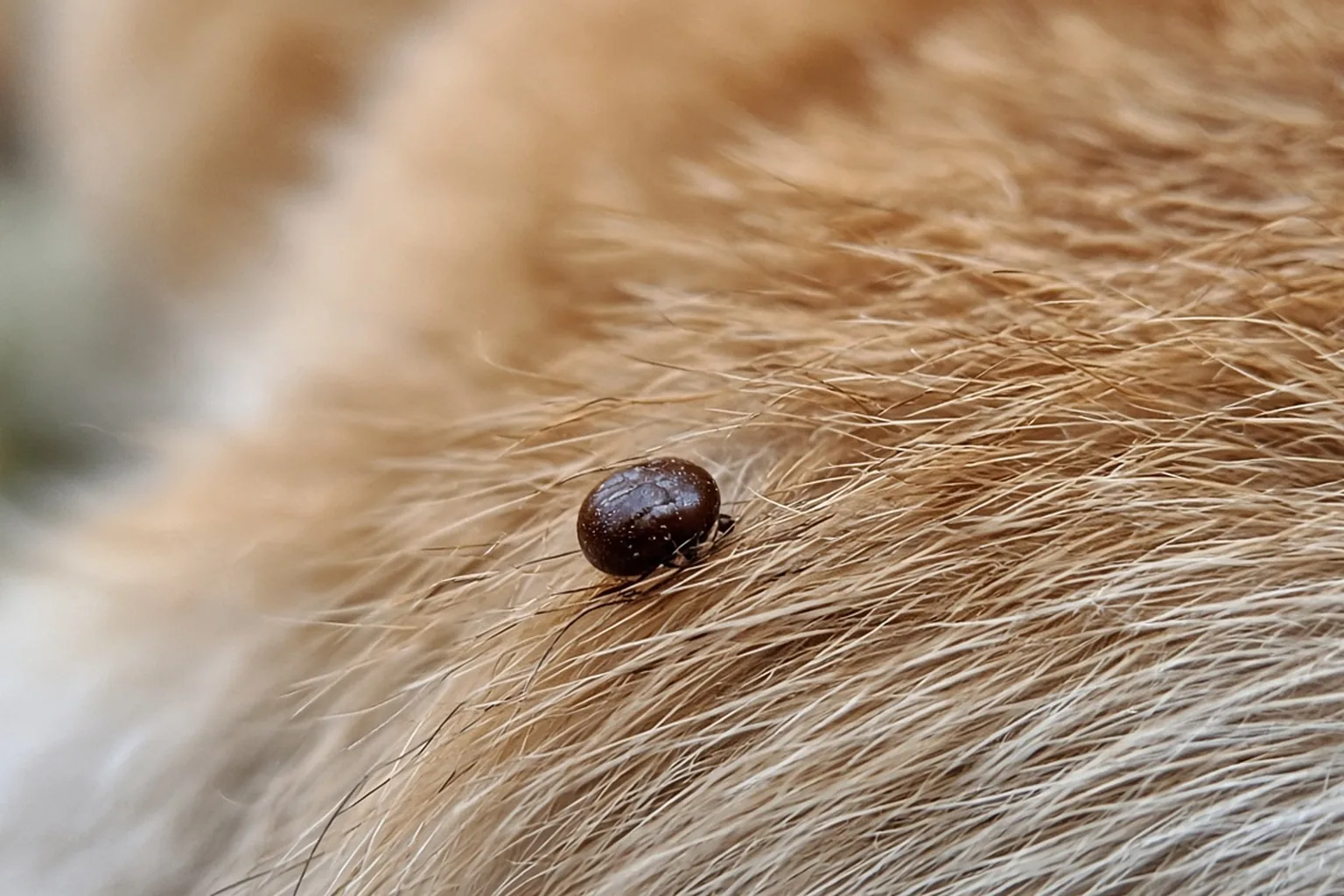 Check dogs after every walk: ears, neck, armpits and between the toes.
When tick season runs around Flint, MI.
Exposure can occur whenever temperatures permit activity. In Michigan, the CDC calendar is the one to use for Flint: nymphal blacklegged ticks seek hosts April through July, and adults are most active in early spring and fall. Wisconsin DHS reports most Lyme cases occur in June and July. Plan around that pattern rather than a single “peak month.” Flint has a humid continental climate, summer highs near 83°F, winter lows near 16°F, about 32 inches of rain a year, 72% average humidity.
Where ticks live in your Flint yard.
Ticks around Flint, MI gather in Woodlands and brushy trail margins, Moist leaf litter and shaded yard edges, and Tall grass and wildlife travel corridors. Around Flint, sunny open lawn holds far fewer ticks than the shady edges do.
The diseases that matter around Flint, MI.
For Flint homes, lone star tick can carry ehrlichiosis and alpha-gal syndrome (a red-meat allergy). For Flint homes, this is the country's main Lyme region — most reported U.S. For Flint, the CDC calendar is the one to use: nymphal blacklegged ticks seek hosts April through July, and adults are most active in early spring and fall. Wisconsin DHS reports most Lyme cases occur in June and July. Daily tick checks and yard-edge work matter most during that window around Flint. Blacklegged tick can carry Lyme disease, anaplasmosis, and babesiosis. American dog tick can carry Rocky Mountain spotted fever and tularemia.
The three jobs of tick control in Flint.
- Reduce the habitat around Flint, MI: mow, rake leaf litter, and add a wood-chip barrier at the edge. - Treat the edges around Flint: a targeted acaricide, timed to spring nymph and fall adult peaks. - Protect the people and pets of Flint, MI: repellents, tick checks, and vet-approved prevention. A quote usually covers only the middle job — ask which of the three a Flint pro covers. - For Flint homes, handling a tick problem means three jobs, in order.
The wood-chip rule for Flint yards.
A 3-foot strip of wood chips or gravel between the mowed lawn and the woods around Flint, MI creates a dry, hot zone ticks don't cross easily, and it makes the remaining edge easier to treat. Around Flint, pair that barrier with short grass, cleared leaf litter and play areas kept off the brush line. For a Flint yard, the single highest-value DIY step is a dry barrier at the edge.
The 36-hour rule for tick checks around Flint.
That's why the timing matters around Flint: shower within a couple of hours of coming inside, do a full-body check the same day, and remove any attached tick promptly. Caught early, most tick-borne disease around Flint, MI is prevented before it starts. A blacklegged tick around Flint, MI usually needs to be attached for 36 to 48 hours or more to transmit Lyme.
What tick control costs in Flint.
For a Flint property, published ranges put an inspection around $75–$200, an edge treatment around $100–$350 per application, and host management or exclusion from $200 up. Around Flint, MI, the four things that move the number are the size of the edge, how many visits a season, whether tick tubes or deer work is included, and how rough the terrain is.
Removing a tick the right way.
Clean the bite site and your hands with soap or rubbing alcohol, and skip the matches, nail polish, and petroleum jelly around Flint, MI. If a rash or fever develops within a few weeks of a Flint, MI bite, see a doctor and mention the bite. Around Flint, MI, use fine-tipped tweezers to grasp a tick as close to the skin as possible. Pull straight up from a Flint, MI bite with steady, even pressure — don't twist or jerk.
What affects the price
- The size and terrain of the Flint, MI yard edge being treated.
- The number of visits around Flint, MI timed to spring and fall peaks.
- Whether tick tubes or deer/rodent host management is included for a Flint, MI yard.
- Access difficulties on a Flint, MI property, like steep slopes or dense brush.
- The presence of stone walls and rock piles around Flint, MI.
- Monitoring and drag counts after treatment around Flint, MI.
📊
What worries you most about ticks?
When to call for help
For Flint homes, MI, call a professional if you keep finding ticks on people or pets, or if your yard backs onto woods, brush, or tall grass. A pro can find the hot spots around Flint, MI and time edge treatments to the spring and fall peaks.
What you can do yourself
Most tick control around Flint, MI is yard work you can do yourself: mow, rake leaf litter, and add a wood-chip barrier at the edge. A professional adds targeted edge treatments timed to the spring and fall peaks around Flint, MI, plus drag sampling to confirm where ticks actually are.
Ticks in Flint
Flint has a humid continental climate, summer highs near 83°F, winter lows near 16°F, about 32 inches of rain a year, 72% average humidity. Exposure can occur whenever temperatures permit activity. For Flint homes, planning should account for small nymphs during warmer months and adult blacklegged ticks during cooler fall periods rather than relying on one universal “peak month.” Woodlands and brushy trail margins. Moist leaf litter and shaded yard edges. Tall grass and wildlife travel corridors.
Blacklegged ticks are established across substantial parts of the Upper Midwest, but county-level establishment and pathogen prevalence vary. Wooded habitat, leaf litter, and the lawn-to-woods edge deserve more attention than open, sunny lawn.
A tick being common in your region doesn’t mean it’s in your yard, or that it carries disease. Your state health department posts local updates.
Ticks you might see
- Blacklegged tick
- Established in many Upper Midwest counties and the principal regional tick associated with Lyme disease transmission.
- American dog tick
- Common across much of the region, especially in grassy and more open habitat.
- Lone star tick
- More common toward southern portions of the region; reported distribution continues to change.
When they’re active
Exposure can occur whenever temperatures permit activity. Planning should account for small nymphs during warmer months and adult blacklegged ticks during cooler fall periods rather than relying on one universal “peak month.”
Where to check first
- ●Woodlands and brushy trail margins
- ●Moist leaf litter and shaded yard edges
- ●Tall grass and wildlife travel corridors
What to do around your yard
- Prioritize the lawn-to-woods perimeter during inspection
- Keep paths and play areas away from brush
- Use current county surveillance when estimating local species presence
Sources
For general information. If you feel unwell after a tick bite, see a doctor. If your pet does, call your vet.
Local research
Ticks in Flint, MI: what the public record shows
Before you compare quotes, it helps to know which ticks actually live in Michigan, when they are busiest around Flint, and what the state figures look like. Everything below links to the agency or university page it came from.
Lyme disease cases reported, 2023
Counts are confirmed plus probable; high-incidence jurisdictions report on lab evidence alone, so cross-state comparisons favor the same year.
CDCTick species recorded in Michigan
- Lone star tick (Amblyomma americanum) — Aggressive human biter; associated with ehrlichiosis, tularemia, Heartland and Bourbon viruses, STARI, and alpha-gal syndrome.
- American dog tick (Dermacentor variabilis (D. similis west of the Rockies)) — Transmits tularemia and Rocky Mountain spotted fever; grassy, open habitat.
When ticks are busiest around Flint
CDC: nymphal blacklegged ticks seek hosts April through July; adults are most active in early spring and fall. Wisconsin DHS reports most Lyme cases occur in June and July.
Region in src/config/tick-regions.ts: upper-midwest.
Rules that apply in Michigan
For context, nationally
- 89,469 (U.S. total incl. territories); 89,468 U.S. residents — Lyme disease cases reported to CDC, 2023. CDC
- Approximately 476,000 — Estimated people diagnosed and treated for Lyme each year. CDC
Sources: CDC; Where ticks live. Figures are quoted as the source prints them. How we check our sources
Simple ways to keep ticks away
- Around Flint, MI, mow regularly and keep the grass short, especially near paths and the yard edge.
- For Flint homes, rake and remove leaf litter from high-use areas so ticks lose their humid shelter.
- On a Flint, MI property, add a 3-foot wood-chip or gravel strip between lawn and woods.
- For Flint homes, keep play sets and outdoor seating away from the brushy yard edge.
- For Flint homes, MI, use vet-approved tick prevention on pets.
- After yard work around Flint, shower within a couple of hours of coming indoors.
- For Flint homes, MI, dry clothes on high heat to kill any ticks they picked up.
 Treatment focuses on edges, shrub beds and shady borders, not the open lawn.
Did you know?
Around Flint, MI, the tick to know is the blacklegged tick, and which one bit matters for which disease to watch.
Larval ticks have six legs and nymphs have eight; around Flint, it's the tiny nymphs people miss.
Ticks can't jump or fly, so around Michigan they climb vegetation and wait for a host to pass.
Questions people ask
What ticks live around Flint, MI?
Around Flint, MI, the ticks to know are Blacklegged tick, American dog tick, and Lone star tick. Which one you find matters, because different species carry different diseases.
What diseases can the ticks around Flint, MI carry?
Blacklegged tick can carry Lyme disease, anaplasmosis, and babesiosis. American dog tick can carry Rocky Mountain spotted fever and tularemia. For Flint homes, lone star tick can carry ehrlichiosis and alpha-gal syndrome (a red-meat allergy). For Flint homes, this is the country's main Lyme region — most reported U.S. For Flint, the CDC calendar is the one to use: nymphal blacklegged ticks seek hosts April through July, and adults are most active in early spring and fall. Wisconsin DHS reports most Lyme cases occur in June and July. Daily tick checks and yard-edge work matter most during that window around Flint.
When is tick season around Flint, MI?
Exposure can occur whenever temperatures permit activity. In Michigan, the CDC calendar is the one to use for Flint: nymphal blacklegged ticks seek hosts April through July, and adults are most active in early spring and fall. Wisconsin DHS reports most Lyme cases occur in June and July. Plan around that pattern rather than a single “peak month.”
How do I remove a tick the right way around Flint, MI?
Around Flint, MI, use fine-tipped tweezers to grasp a tick as close to the skin as possible. Pull straight up from a Flint, MI bite with steady, even pressure — don't twist or jerk. Clean the bite site and your hands with soap or rubbing alcohol, and skip the matches, nail polish, and petroleum jelly around Flint, MI. If a rash or fever develops within a few weeks of a Flint, MI bite, see a doctor and mention the bite.
How long does a tick around Flint, MI need to be attached to transmit Lyme disease?
A blacklegged tick around Flint, MI usually needs to be attached for 36 to 48 hours or more to transmit the Lyme bacterium. Daily tick checks and prompt removal around Flint, MI are the best protection.
Do tick repellents and yard sprays work around Flint, MI?
Around Flint, MI, EPA-registered repellents like DEET, picaridin, and permethrin-treated clothing work well for people. For a Flint, MI yard, targeted edge treatment helps, but habitat work — mowing, raking, and a wood-chip barrier — is the foundation.
How much does tick control cost in Flint, MI?
For a Flint, MI property, published ranges put an inspection around $75–$200, an edge treatment around $100–$350 per application, and host management or exclusion from $200 up. Ask what's included and how many visits a season around Flint, MI.
Is Lyme disease common around Flint, MI?
For Flint homes, this is the country's main Lyme region — most reported U.S. For Flint, the CDC calendar is the one to use: nymphal blacklegged ticks seek hosts April through July, and adults are most active in early spring and fall. Wisconsin DHS reports most Lyme cases occur in June and July. Daily tick checks and yard-edge work matter most during that window around Flint.
Nearby cities
Related guides
Sources (7)
The facts in this article come from the public sources listed above. Every home is different, so ask the company you talk to about pricing and what’s included. Published by Tick Exterminator · Updated October 13, 2026 · How we write these guides