Tick Control in Massachusetts
Browse tick information for 21 cities across Massachusetts. Provider availability is not guaranteed.
Free Massachusetts Tick Quote
Response times vary · No obligation to hire
Tick context for Massachusetts
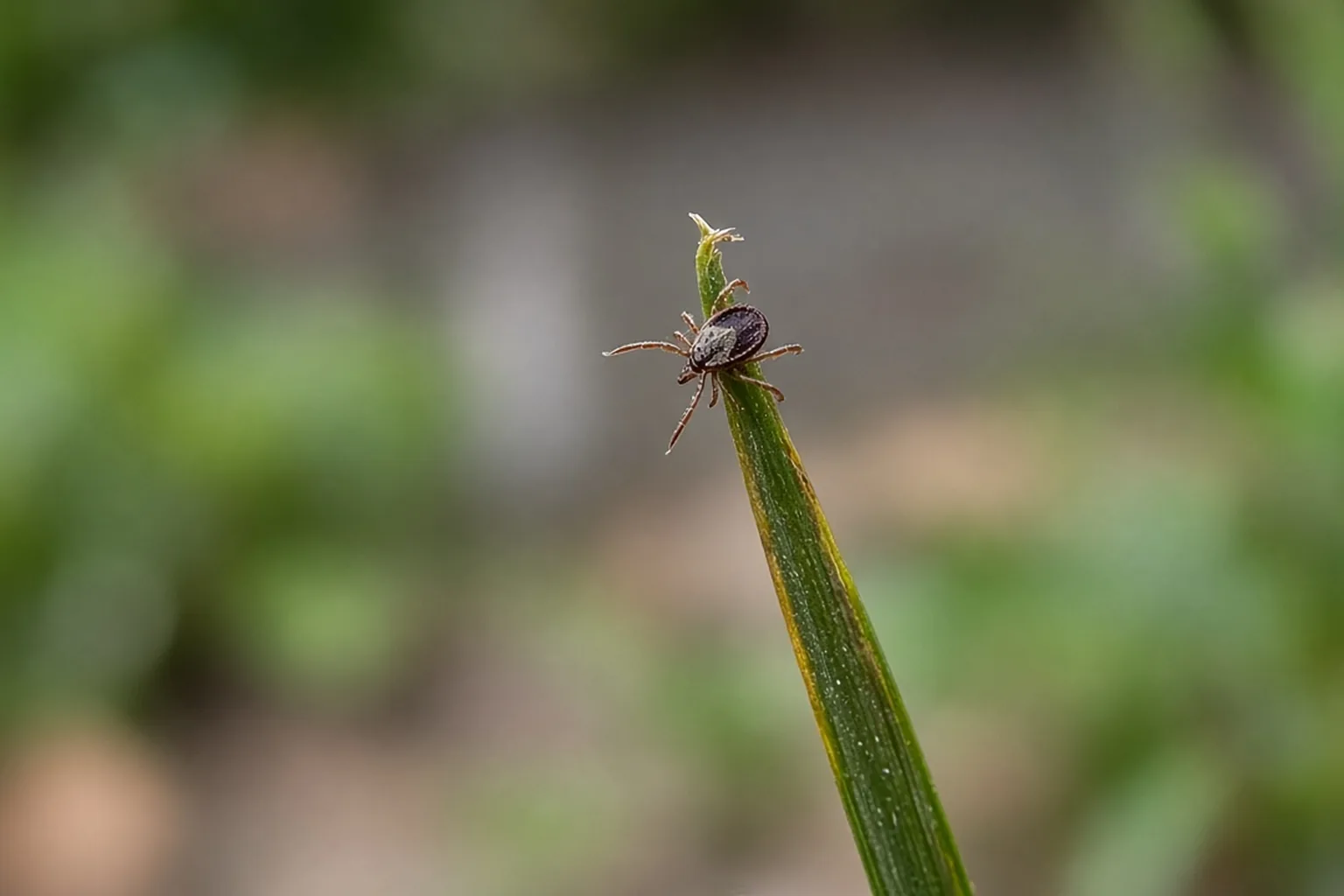
Wooded and brushy edge habitat is the main planning focus in this region. Blacklegged ticks are established broadly, while American dog ticks and lone star ticks may also be encountered. Species presence alone does not prove that a particular pathogen is present at a property or in a county.
Ticks to distinguish
- Blacklegged tick
- Widely established in the eastern United States; nymphs and adults can bite people.
- American dog tick
- Widely distributed east of the Rocky Mountains and most active for human encounters in spring and summer.
- Lone star tick
- Established across much of the East; its range has expanded northward and local distribution is uneven.
Seasonal planning
Do not treat the first frost as the end of tick season. Penn State reports blacklegged-tick adults can seek hosts in fall and on winter days above freezing, while nymph activity is more associated with late spring and summer.
Where to inspect first
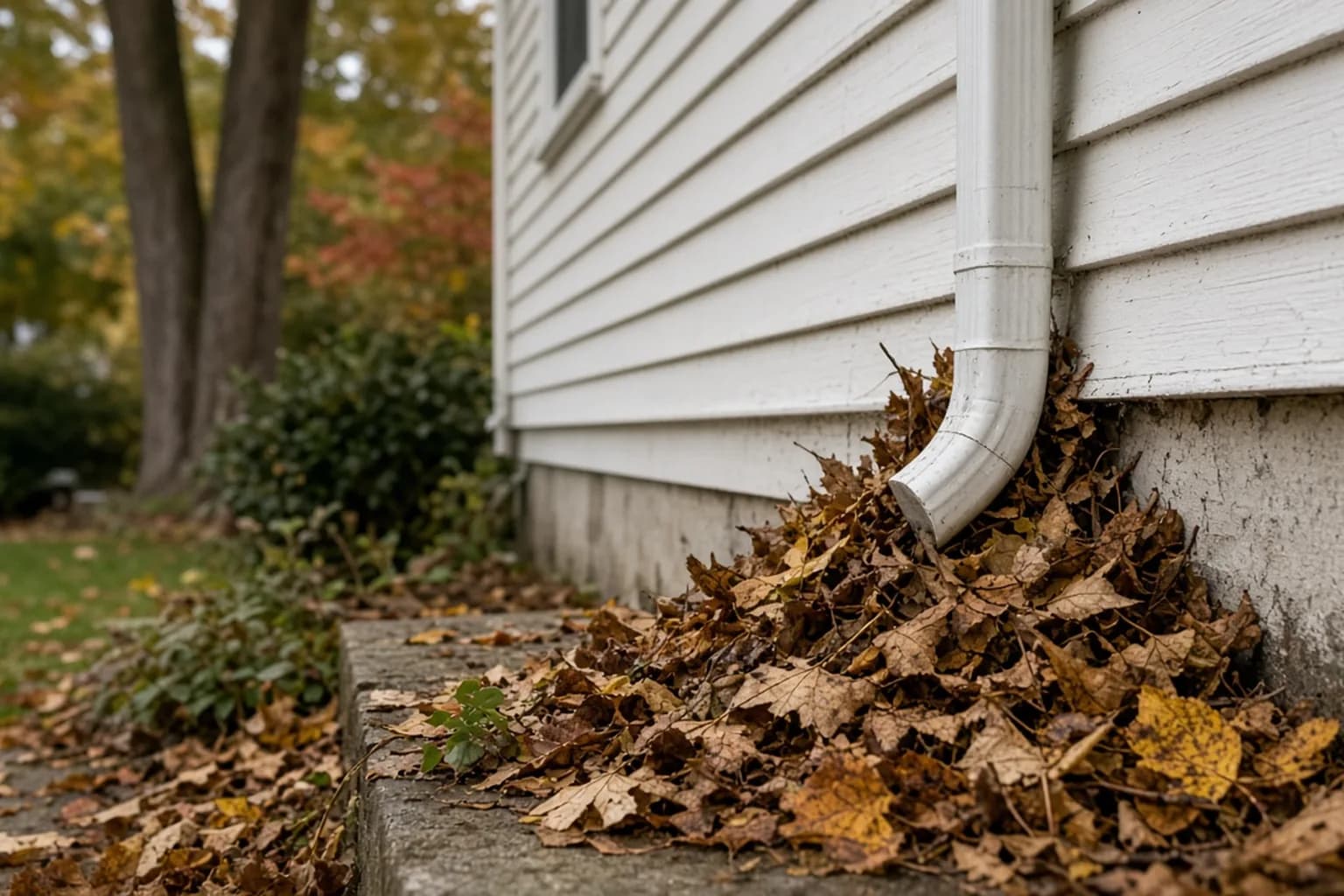
- Leaf litter and shaded wooded edges
- Brushy transitions between lawn and woods
- Trails, stone walls, wood piles, and places used by wildlife
Property action checklist
- 1Remove leaf litter from high-use areas
- 2Separate recreation areas from brushy borders
- 3Check people, pets, clothing, and gear after outdoor activity
Primary sources
- Where ticks live: U.S. distribution maps — Centers for Disease Control and Prevention
- Preventing tick bites and reducing yard exposure — Centers for Disease Control and Prevention
- Common ticks and tick-borne diseases in Pennsylvania — Penn State Extension
Educational regional context, not a diagnosis, local surveillance report, or substitute for medical or veterinary advice. Seek healthcare guidance for symptoms after a tick bite.
Boston
Pop: 651,000
Northeast Region
Brockton
Pop: 106,000
Northeast Region
Brookline
Pop: 63,000
Northeast Region
Cambridge
Pop: 118,000
Northeast Region
Fall River
Pop: 94,000
Northeast Region
Framingham
Pop: 72,000
Northeast Region
Haverhill
Pop: 67,000
Northeast Region
Lawrence
Pop: 88,000
Northeast Region
Lowell
Pop: 114,000
Northeast Region
Lynn
Pop: 101,000
Northeast Region
Malden
Pop: 66,000
Northeast Region
New Bedford
Pop: 101,000
Northeast Region
Newton
Pop: 88,000
Northeast Region
Plymouth
Pop: 64,000
Northeast Region
Quincy
Pop: 101,000
Northeast Region
Somerville
Pop: 81,000
Northeast Region
Springfield
Pop: 154,000
Northeast Region
Taunton
Pop: 60,000
Northeast Region
Waltham
Pop: 65,000
Northeast Region
Worcester
Pop: 205,000
Northeast Region
Salem
Pop: 45,000
Northeast Region