Tick Control in Grand Junction, CO
Request contact from an independent tick control provider that may serve Grand Junction. Confirm credentials, availability, fees, and terms directly.
Free Grand Junction quote
Tick context for Grand Junction, Colorado
Elevation, habitat, and host animals matter more than a broad “dry West” label. Rocky Mountain wood ticks are important in suitable mountain habitat, while soft ticks can be associated with rodent-infested cabins and structures in parts of the West.
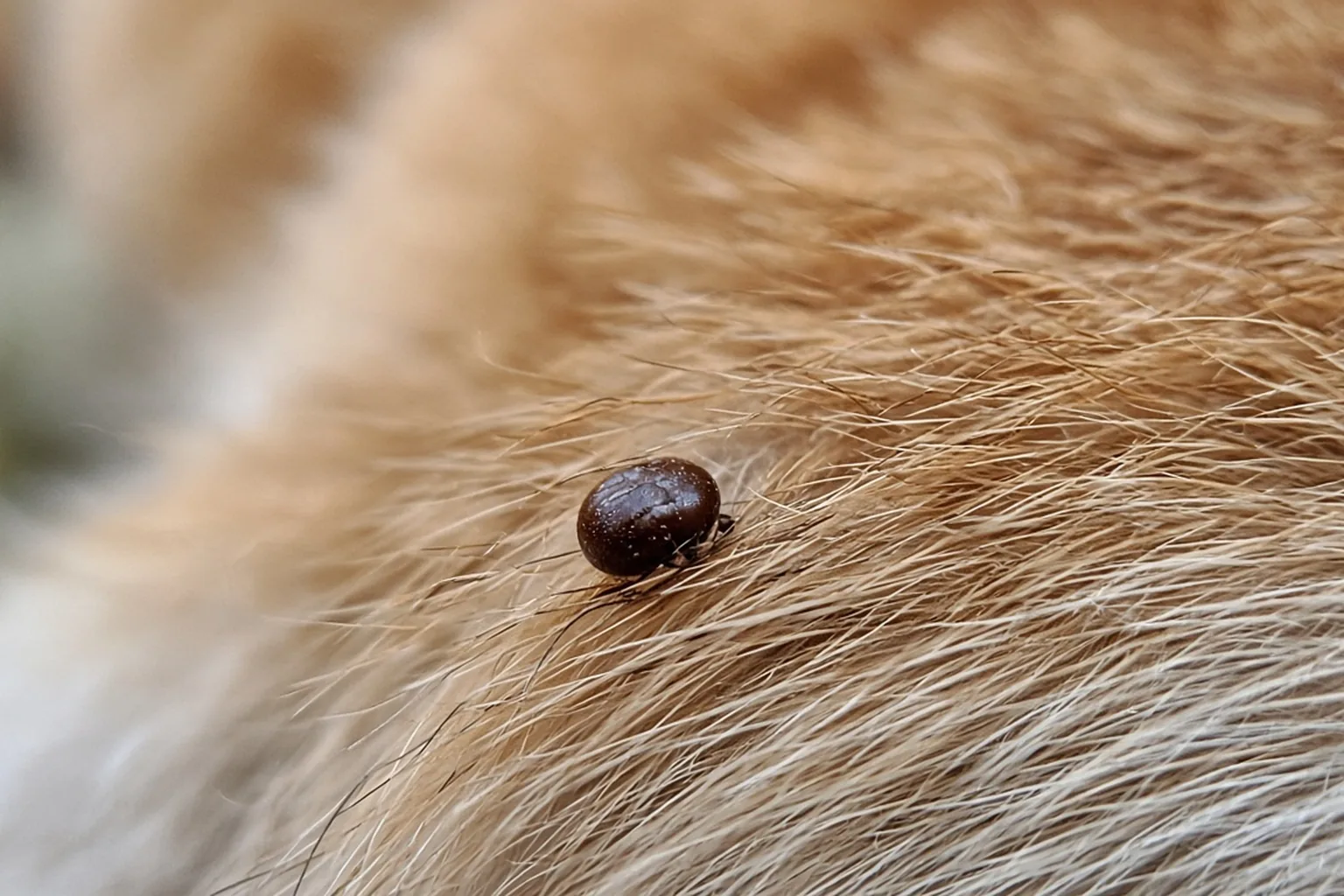
Ticks to distinguish
- Rocky Mountain wood tick
- A leading human-biting tick in suitable Rocky Mountain habitat; activity can peak earlier than in eastern regions.
- Brown dog tick
- Associated with dogs and structures and not limited to wooded habitat.
- Soft ticks (Ornithodoros species)
- May occur near rodent nests in cabins and rustic structures; exposure patterns differ from hard ticks in yards.
Seasonal planning
Colorado State University reports the Rocky Mountain wood tick is most active in spring and becomes dormant with hot summer weather. Timing elsewhere varies with elevation, snowmelt, heat, and species.
Where to inspect first
- Brushy mountain trails and higher-elevation vegetation
- Rodent nests in cabins and rustic structures
- Kennels and dog resting areas
Property action checklist
- 1Separate cabin or structure issues from landscape exposure
- 2Address rodents and nesting material without stirring contaminated debris
- 3Use elevation- and state-specific guidance before scheduling control
Primary sources
- Where ticks live: U.S. distribution maps — Centers for Disease Control and Prevention
- Preventing tick bites and reducing yard exposure — Centers for Disease Control and Prevention
- Colorado ticks and tick-borne diseases — Colorado State University Extension
Educational regional context, not a diagnosis, local surveillance report, or substitute for medical or veterinary advice. Seek healthcare guidance for symptoms after a tick bite.
About Grand Junction
Grand Junction, Colorado is home to 67,000 residents. Located in the West at 4,593 feet, Grand Junction is known for Colorado National Monument, wine country. The area experiences a semi-arid climate with summer highs averaging 93°F and winter lows around 18°F.
Grand Junction's suburban environment and 46% average humidity can influence local ticks pressure. Property-specific conditions still require inspection.
Why Professional Tick Control Matters in Grand Junction
Store-bought products may address visible activity without identifying the pest, harborage, entry routes, or site conditions. A provider should explain the evidence supporting the proposed plan and identify any products before work begins.
In Grand Junction's semi-arid conditions, local activity can differ by season and property. Confirm how the proposal accounts for the actual site rather than relying only on city-level averages.
Tick Control Options in Grand Junction
Yard Tick Treatment
Property-specific yard treatment focused on confirmed habitat and exposure areas. Products, timing, and residual performance vary by provider and label.
Perimeter Barrier Spray
Create a tick-free zone by treating the yard perimeter, wooded edges, stone walls, and other tick habitat.
Tick Tubes
Biodegradable tubes filled with permethrin-treated cotton — mice take it for nesting, killing ticks on contact.
Habitat Modification
Reduce tick habitat: clear leaf litter, trim tall grass, create gravel barriers, and manage deer attractants.
Free Grand Junction Tick Quote
Response times vary · No obligation to hire
Grand Junction Quick Facts
- Population
- 67,000
- Elevation
- 4,593 ft
- Climate
- Semi-Arid
- Summer
- 93°F
- Winter
- 18°F
- Humidity
- 46%
- Known For
- Colorado National Monument, wine country

Need Tick Control in Grand Junction?
Request contact from an independent tick control provider. Confirm all credentials and terms before hiring.