Tick Control in Arizona
Browse tick information for 2 cities across Arizona. Provider availability is not guaranteed.
Free Arizona Tick Quote
Response times vary · No obligation to hire
Tick context for Arizona
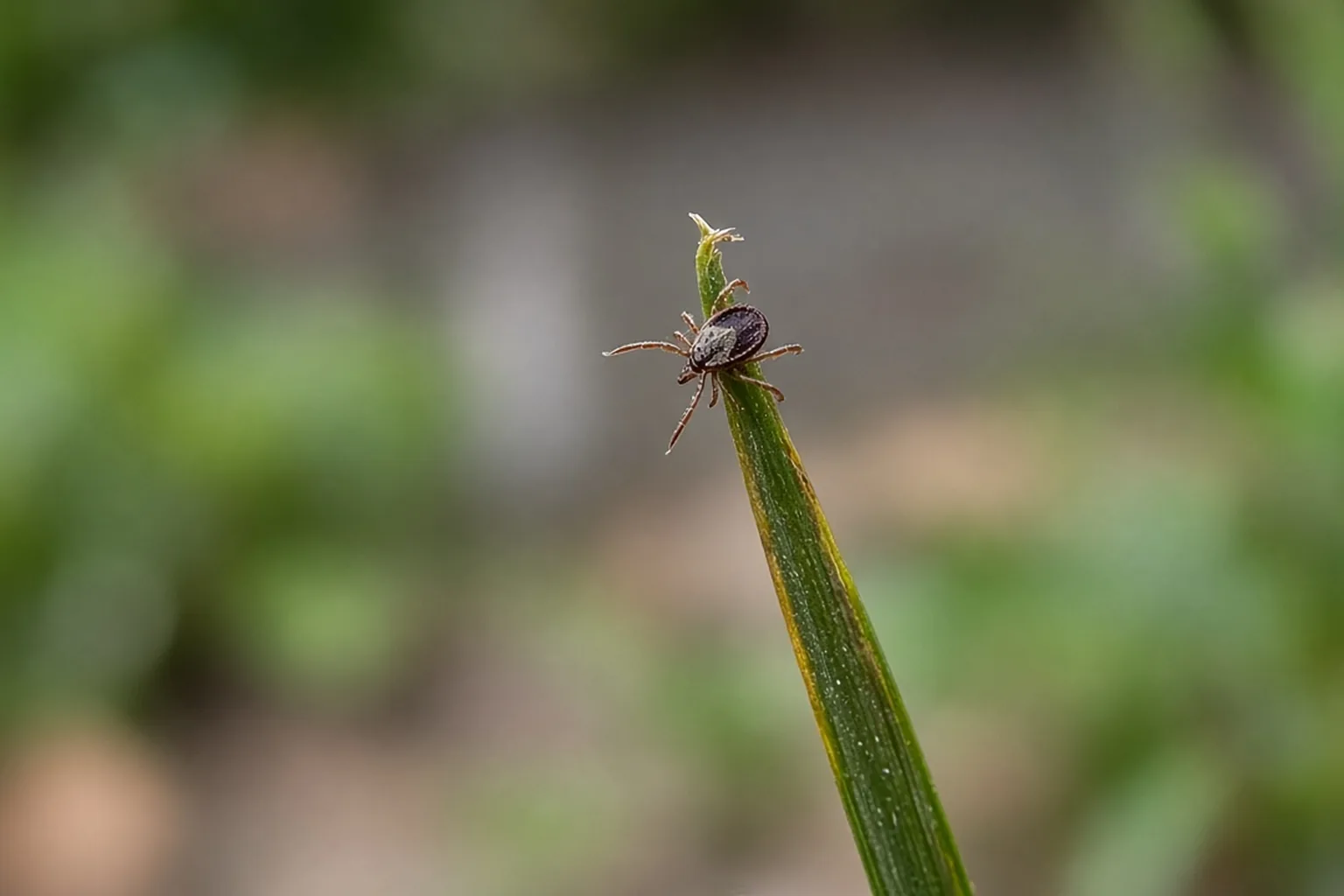
Elevation, habitat, and host animals matter more than a broad “dry West” label. Rocky Mountain wood ticks are important in suitable mountain habitat, while soft ticks can be associated with rodent-infested cabins and structures in parts of the West.
Ticks to distinguish
- Rocky Mountain wood tick
- A leading human-biting tick in suitable Rocky Mountain habitat; activity can peak earlier than in eastern regions.
- Brown dog tick
- Associated with dogs and structures and not limited to wooded habitat.
- Soft ticks (Ornithodoros species)
- May occur near rodent nests in cabins and rustic structures; exposure patterns differ from hard ticks in yards.
Seasonal planning
Colorado State University reports the Rocky Mountain wood tick is most active in spring and becomes dormant with hot summer weather. Timing elsewhere varies with elevation, snowmelt, heat, and species.
Where to inspect first
- Brushy mountain trails and higher-elevation vegetation
- Rodent nests in cabins and rustic structures
- Kennels and dog resting areas
Property action checklist
- 1Separate cabin or structure issues from landscape exposure
- 2Address rodents and nesting material without stirring contaminated debris
- 3Use elevation- and state-specific guidance before scheduling control
Primary sources
- Where ticks live: U.S. distribution maps — Centers for Disease Control and Prevention
- Preventing tick bites and reducing yard exposure — Centers for Disease Control and Prevention
- Colorado ticks and tick-borne diseases — Colorado State University Extension
Educational regional context, not a diagnosis, local surveillance report, or substitute for medical or veterinary advice. Seek healthcare guidance for symptoms after a tick bite.