Tick Control in Alaska
Browse tick information for 10 cities across Alaska. Provider availability is not guaranteed.
Free Alaska Tick Quote
Response times vary · No obligation to hire
Tick context for Alaska
Alaska requires separate treatment from the contiguous United States. CDC distribution maps note that naturally occurring populations of the major ticks shown on its contiguous-U.S. maps do not occur in Alaska, while Alaska health officials continue surveillance and emphasize travel and pet pathways.
Ticks to distinguish
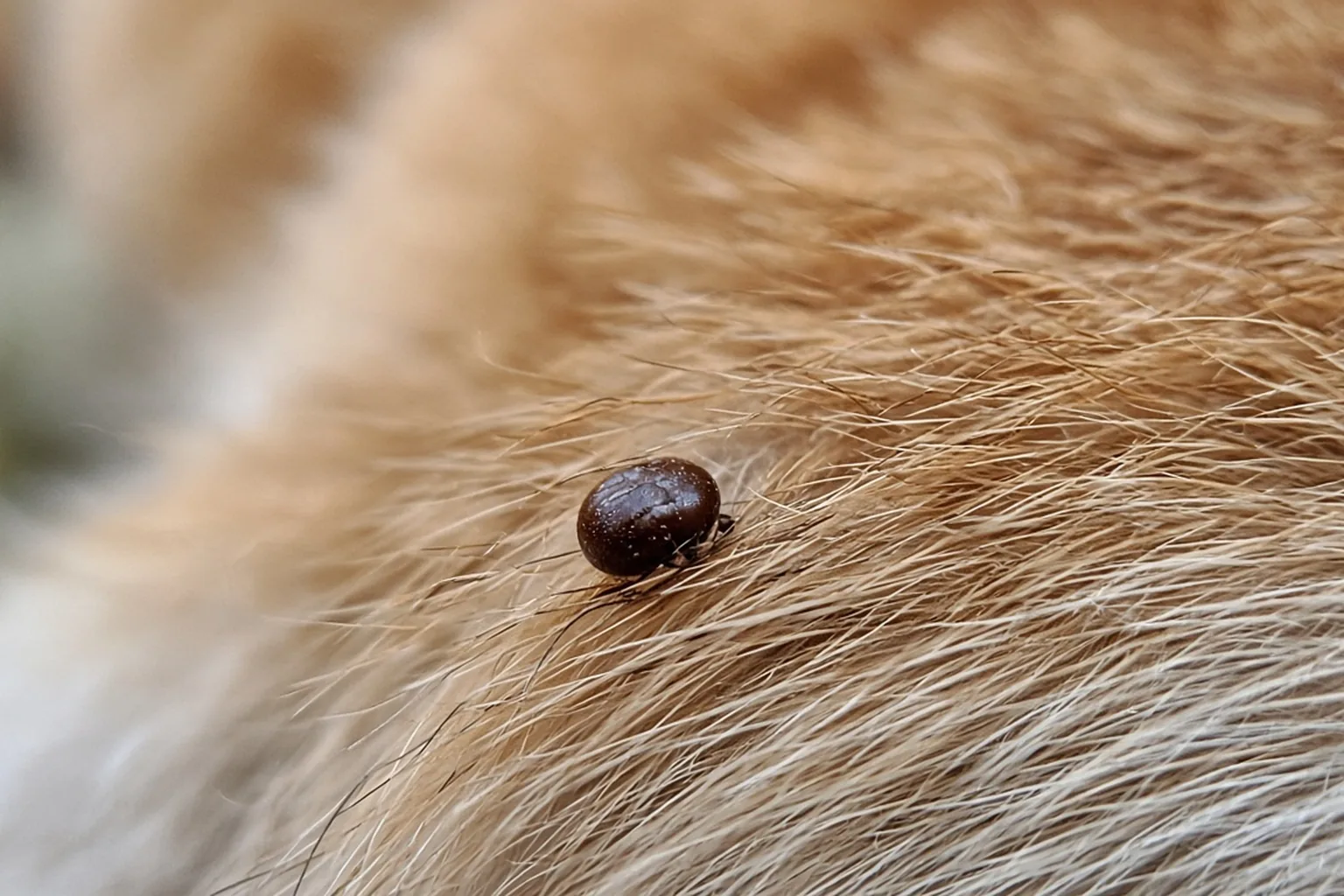
- Travel- or pet-associated ticks
- Ticks may be brought into Alaska on people, pets, or equipment after travel.
- Locally collected ticks
- Identification and surveillance matter because detection does not automatically establish a reproducing local population.
Seasonal planning
Use Alaska Department of Health guidance and current surveillance rather than a lower-48 seasonal calendar.
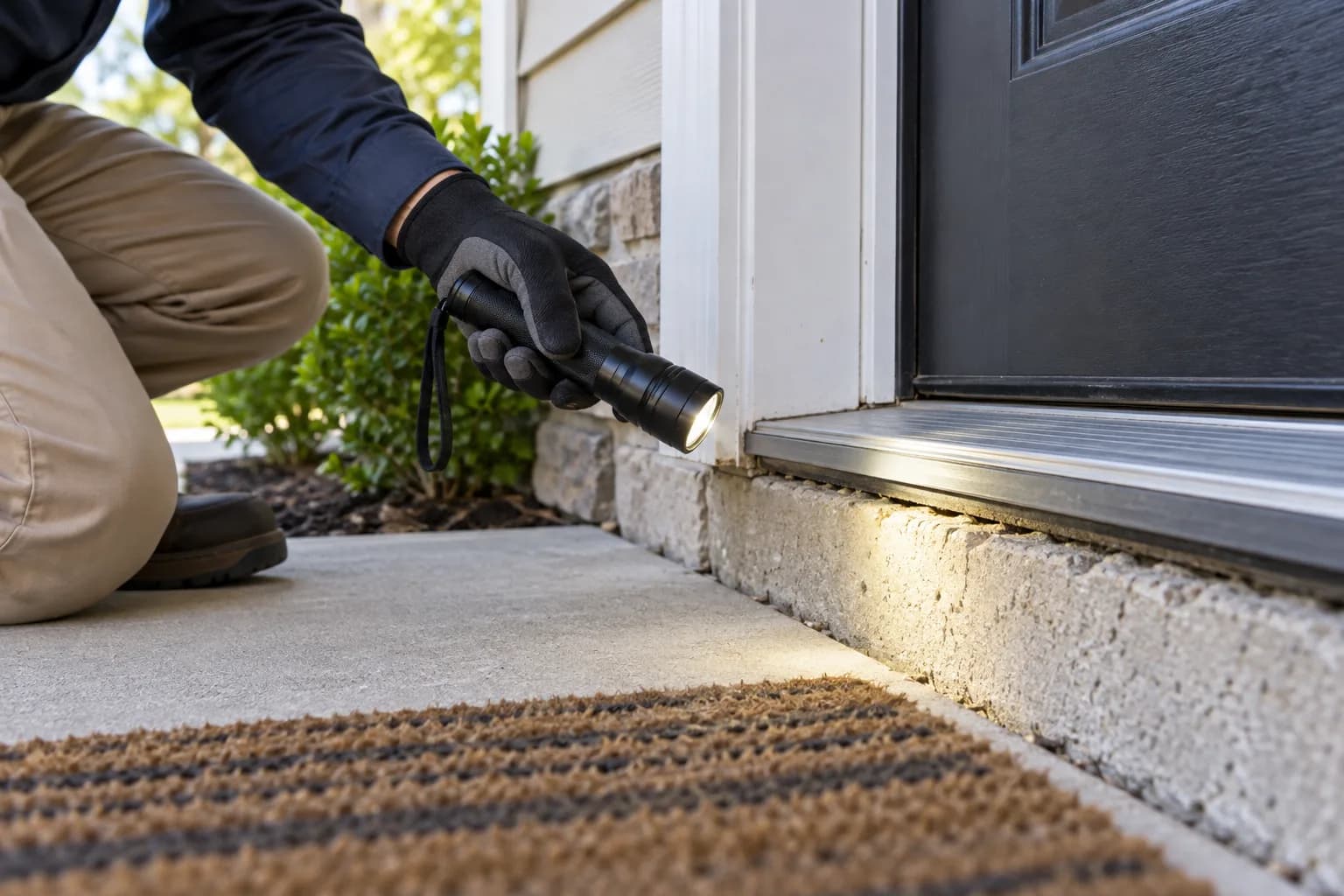
Where to inspect first
- Pets and gear returning from travel
- Outdoor areas where ticks are reported or collected
- Wildlife contact areas
Property action checklist
- 1Check pets, clothing, and luggage after travel
- 2Save an intact specimen for identification when practical
- 3Tell a healthcare provider where exposure may have occurred
Primary sources
- Where ticks live: U.S. distribution maps — Centers for Disease Control and Prevention
- Tickborne disease in Alaska — Alaska Department of Health
Educational regional context, not a diagnosis, local surveillance report, or substitute for medical or veterinary advice. Seek healthcare guidance for symptoms after a tick bite.
Anchorage
Pop: 287,000
West Region
Bethel
Pop: 6,400
West Region
Fairbanks
Pop: 32,000
West Region
Juneau
Pop: 32,000
West Region
Kenai
Pop: 7,800
West Region
Ketchikan
Pop: 8,200
West Region
Kodiak
Pop: 5,900
West Region
Sitka
Pop: 8,400
West Region
Wasilla
Pop: 9,600
West Region
Palmer
Pop: 5,900
West Region