The short version
Do the habitat work yourself — mow, rake, and add a wood-chip barrier — and use repellents and tick checks. Hire a pro for drag sampling and a targeted, well-timed edge treatment. Avoid whole-yard spraying.
- Habitat work is DIY; timed edge treatment is usually pro.
- Mow, rake, and add a wood-chip barrier yourself.
- Avoid whole-yard spraying — ticks live at the edge.
- A pro adds drag sampling and correct timing.
For homeowners deciding what to do themselves and what to hire out.
What to look for
Tick control is unusually DIY-friendly compared to other pests, because the biggest lever — habitat — is just yard work. The mistake is either spraying too much yourself or paying a pro to do the mowing you should be doing anyway.
- 1Ticks on pets after walks or time outdoors.
- 2Ticks on clothing or skin after yard work.
- 3A tick found indoors or on pet bedding.
- 4Deer, mice, or other wildlife passing through the yard.
- 5Tall grass, leaf litter, or brush at the yard edge.
- 6Stone walls, woodpiles, or brush near play areas.
Why it’s worth acting soon
- Tick-borne illness for people and pets.
- More ticks each year as wildlife and hosts move through.
- Brown dog ticks can establish indoors and are hard to remove.
About 476,000People estimated to get Lyme disease each year in the U.S.CDC 36–48 hoursTime a blacklegged tick usually needs attached to transmit LymeCDC 21%U.S. households where someone found a tick (HealthStyles, 2009)Hook et al., CDC Treatment options and typical costs
Yard inspection and tick-zone mapping
$75–$200
A pro walks the property edges and maps the zones that actually hold ticks.
- Time
- 45–90 minutes
- Best for
- Every job; shows where ticks actually live.
Targeted edge treatment
$100–$350 per application
A residual acaricide applied along a narrow band at the yard edge, timed to spring and fall peaks.
- Time
- 30–60 minutes
- Best for
- Spring and fall peaks.
Tick tubes and host management
$200–$1,500+
Rodent-targeted tubes and deer-deterrent changes that cut the hosts ticks feed on.
- Time
- Half day to full day
- Best for
- Yards bordering woods with deer and mouse traffic.
Habitat modification
$150–$450
Leaf-litter removal, mowing, and a wood-chip barrier between lawn and woods.
- Time
- 2–4 hours, then ongoing
- Best for
- Every yard with woods or brush at the edge.
Prices are typical published ranges. Ask what’s included before you compare quotes.
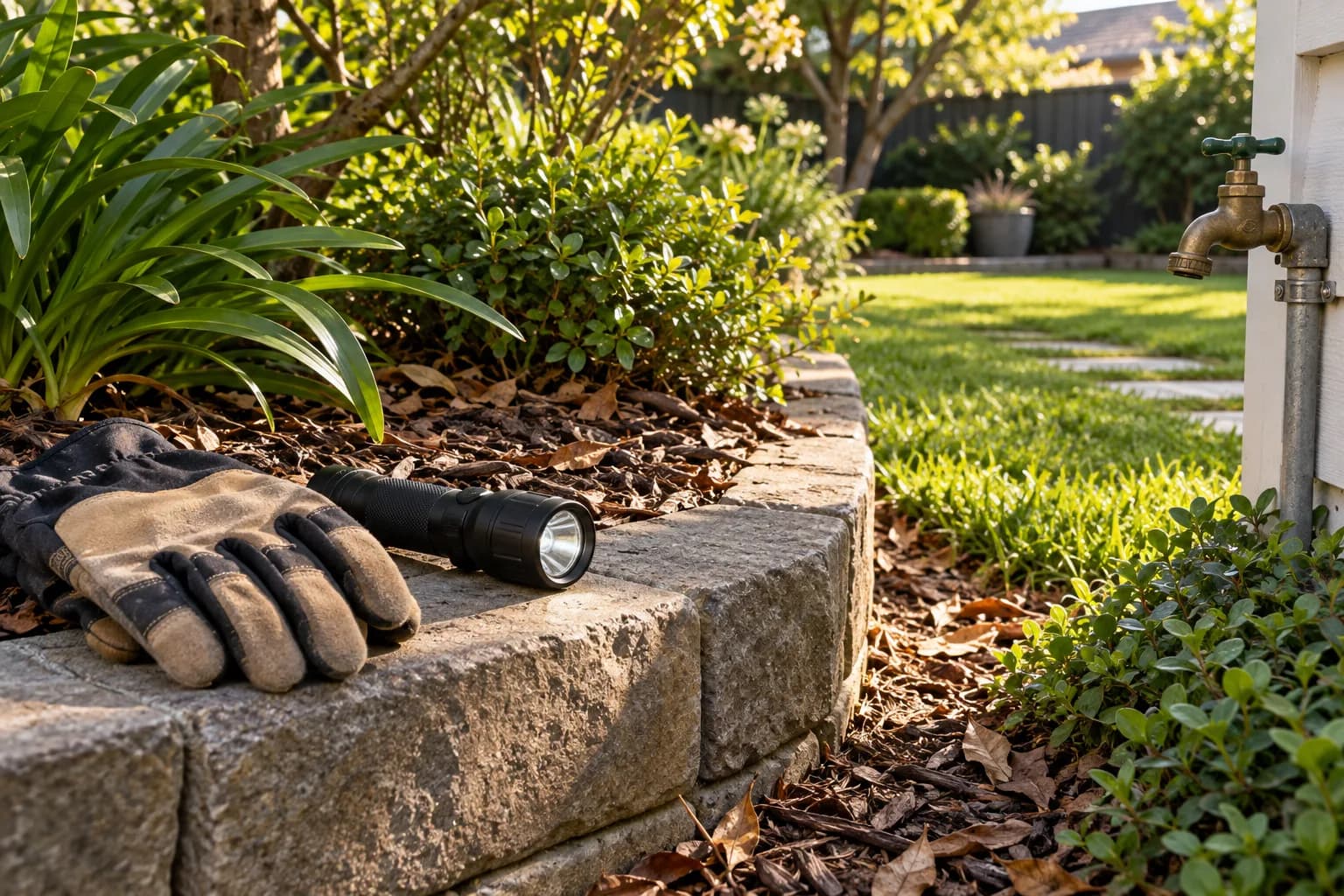 Mulch beds and shady borders next to the lawn are worth checking first.
What you can safely do yourself.
Mow, rake leaf litter, add a wood-chip barrier, keep play areas sunny, and use repellents and tick checks. These steps cost little, are safe, and do most of the work.
ticks activity by season.
The most useful first step in Diy Vs Professional Tick Control is to note where you have seen ticks and when they appear, because that timeline is what lets a provider focus on the right area instead of treating the whole property. In Diy Vs Professional Tick Control, checking the foundation, gaps around doors and windows, and any moisture or clutter near the structure usually turns up the conditions that are letting them in. Scheduling before the busy stretch, rather than after it, tends to mean faster service and a more accurate quote, and a local provider can point out the conditions that matter most in Diy Vs Professional Tick Control.
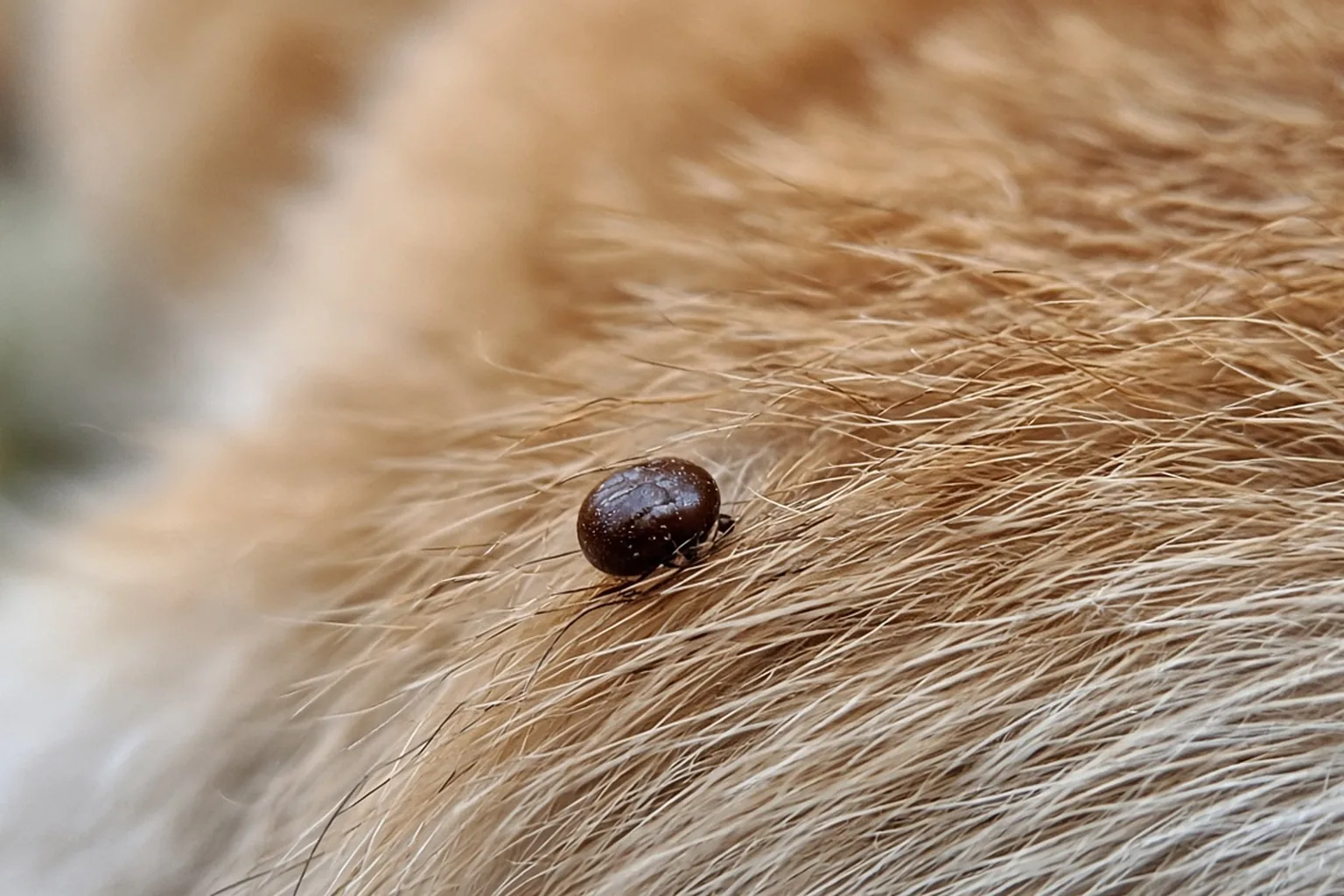 Check dogs after every walk: ears, neck, armpits and between the toes.
Where a professional adds value.
Drag sampling to find where ticks actually are, a targeted acaricide timed to the spring and fall peaks, and tick tubes or host management. The timing and the product choice are where a pro earns the fee.
The wrong DIY move.
Broadly spraying the whole lawn yourself is the mistake. It costs more, kills beneficial insects, and doesn't target where ticks live — the edge. If you're going to treat, do it narrow and timed, or hire it out.
The cost comparison, in real numbers.
DIY tick control costs about $60 in materials — wood chips, caulk, and a tube of repellent. A professional seasonal plan runs roughly $300 to $800 for an inspection plus two to four timed edge treatments. The dollar gap is real, but so is what you give up: drag-count proof, the right product, and correct timing.
The liability and licensing angle.
A licensed, insured pro carries the risk if a treatment goes wrong — a product applied incorrectly, or a question about a tick-borne illness down the road. Doing it yourself means that risk is yours. For most residential yards that's fine; for a commercial property or a shared space, the professional's insurance is worth the fee.
Reading a pro's drag counts.
The one thing worth paying for is the number: a professional drags a cloth over the edge and counts the ticks, zone by zone. A count that drops after treatment is proof it worked; a count that doesn't tells you to look elsewhere. Ask for the counts in writing — they're the difference between a service and a guess.
A seasonal DIY schedule.
If you go the DIY route, follow the tick's own calendar: in late spring, rake the leaf litter and lay the wood-chip barrier before nymphs emerge; through summer, mow weekly and run the daily check; in early fall, rake again and clear the edge before adults peak. The schedule matters more than the effort.
When to hand it off.
DIY has a ceiling, and it's usually reached one of three ways: a large or heavily wooded edge, a household member who is immunocompromised, or ticks that keep showing up despite the habitat work. When you hit that ceiling, hand it off for drag sampling and a timed treatment — the two things a homeowner can't easily do well.
The DIY toolkit, item by item.
The whole DIY kit is five things: a mower for the weekly cut, a rake for the leaf litter, wood chips or gravel for the edge barrier, fine-tipped tweezers for removal, and an EPA-registered repellent for the people. Nothing else is required — ultrasonic stakes and "tick-repelling" plants are not on the list.
Common mistakes that invite ticks back.
Three mistakes undo DIY tick control. Spraying the whole lawn instead of the edge wastes product and misses the ticks. Treating once and expecting it to last ignores the two seasonal peaks. And skipping the daily check on people and pets lets the ticks that do arrive go unnoticed. Avoid all three and DIY holds up.
Tracking results at home.
Measure your own work with a simple log: date, spot, and whether you found a tick. Over a few weeks, a dropping count means the habitat work is working; a flat count means it's time for drag sampling. A phone note is all the tooling you need.
A reality check on DIY timing.
The hardest part of DIY is not the labor — it's the timing. The two application windows (late spring and early fall) are when the work actually matters, and missing them means a season of half-measures. If you can't commit to both windows, that's a signal to hand the timing to a professional.
What you give up with DIY.
Choosing DIY means giving up three things a pro brings: the drag count that proves results, the product and label knowledge, and the calendar discipline. That's a fair trade for a tidy, low-risk yard — and a poor one for a large wooded property where the stakes are higher.
What affects the price
- Size and terrain of the yard edge being treated.
- Number of visits timed to spring and fall peaks.
- Whether tick tubes or deer/rodent host management is included.
- Access difficulties like steep slopes or dense brush.
- Presence of stone walls and rock piles.
- Monitoring and drag counts after treatment.
📊
Which tick control method do you rely on most?
When to call for help
Call a professional if you keep finding ticks on people or pets, or if your yard backs onto woods, brush, or tall grass. A pro can find the hot spots and time edge treatments to the spring and fall peaks.
What you can do yourself
Most of tick control is yard work you can do yourself: mow, rake leaf litter, and add a wood-chip barrier at the edge. A professional adds targeted edge treatments and drag sampling to confirm where ticks actually are.
Where you live matters
Tick risk is regional — species and disease risk vary by where you live. Identify the tick, learn the local species, and check your state or county health department.
Simple ways to keep ticks away
- Mow regularly and keep grass short.
- Rake and remove leaf litter from high-use areas.
- Add a 3-foot wood-chip or gravel strip between lawn and woods.
- Keep play sets and seating away from the yard edge.
- Use vet-approved tick prevention on pets.
- Shower within a couple of hours of coming inside.
- Dry clothes on high heat to kill any ticks they picked up.
 Treatment focuses on edges, shrub beds and shady borders, not the open lawn.
Did you know?
Larval ticks have six legs; nymphs and adults have eight.
Opossums groom off and eat most of the ticks that try to feed on them.
Ticks don't jump or fly — they wait on vegetation with their front legs out, ready to grab a passing host.
Questions people ask
Can I get rid of ticks without chemicals?
Often yes. Mowing, raking, and a wood-chip barrier can cut tick numbers dramatically on their own. Repellents and tick checks handle the rest for people.
Is it worth hiring a pro for ticks?
For a wooded yard with a real tick problem, yes — the drag sampling and timed edge treatment are worth it. For an open yard, DIY habitat work often suffices.
What's the biggest DIY mistake?
Whole-yard spraying. Ticks live at the edge — treat narrowly, or not at all.
What tools do I actually need?
A mower, a rake, wood chips or gravel for the barrier, and fine-tipped tweezers for removal. That's the whole kit — the rest is habit, not equipment.
Can I do my own drag sampling?
You can — a light-colored cloth dragged over the vegetation collects ticks, and it's a decent DIY check. A professional's count is just more consistent and comparable zone to zone.
Is DIY tick control worth it?
For a small, tidy yard, usually yes — the habitat work and daily checks do most of it. For a large wooded property, a professional's drag sampling and timed treatment are worth the fee.
Sources (8)
The facts in this article come from the public sources listed above. Every home is different, so ask the company you talk to about pricing and what’s included. Published by Tick Exterminator · Updated October 13, 2026 · How we write these guides